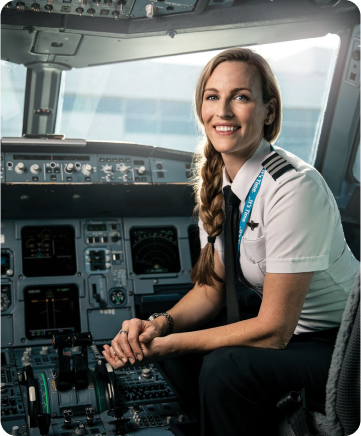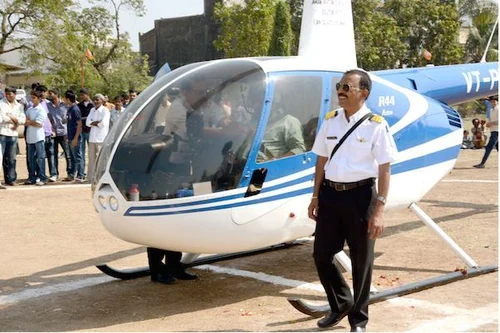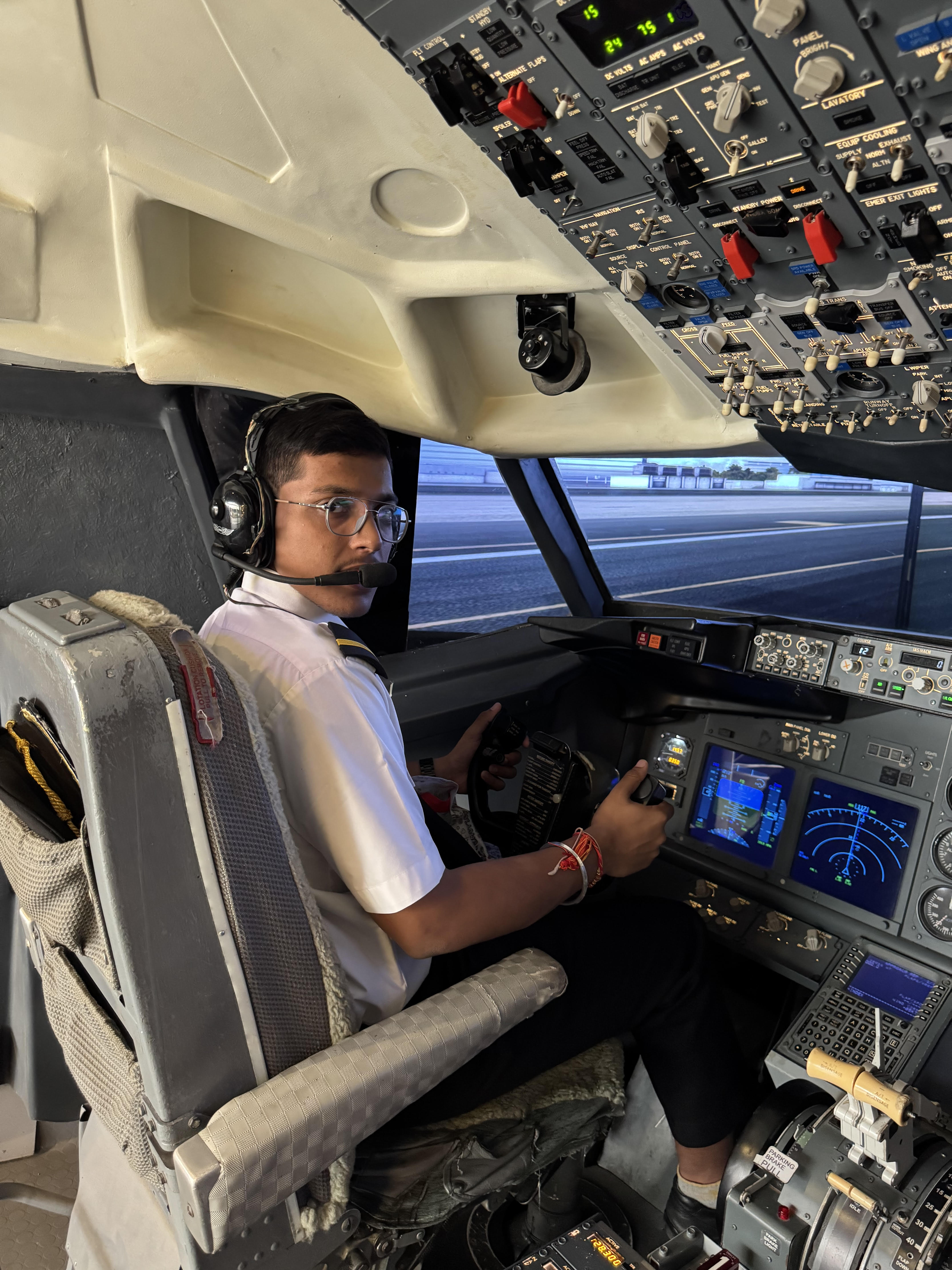
The life of a commercial pilot is a fascinating blend of technical precision, responsibility, and the sheer joy of flying. Here is a typical day in the shoes of a First Officer operating a domestic sector.
5:00 AM — Report to the Airport
Pilots report 90 minutes before departure. The day begins with a thorough briefing that includes weather analysis, NOTAM review, and route planning.
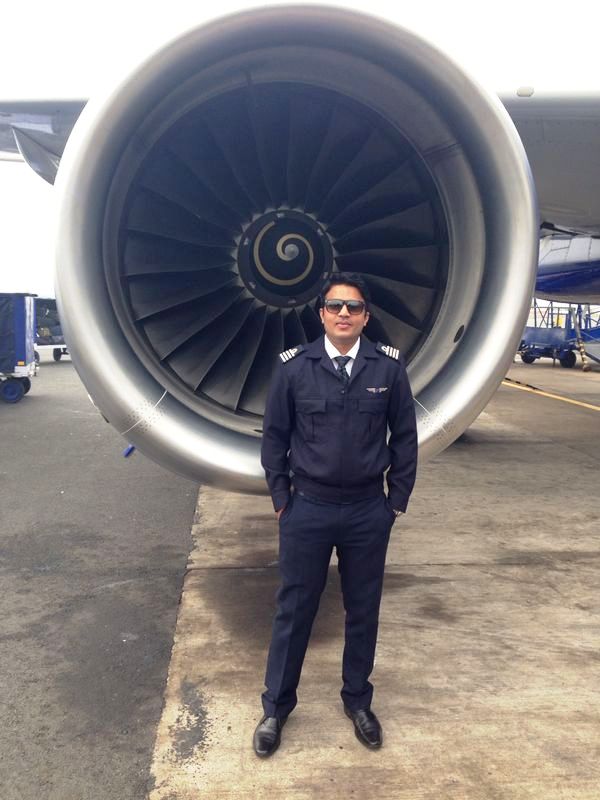
6:00 AM — Pre-flight Walkaround
Before every flight, the crew performs an external inspection of the aircraft — checking engines, tyres, control surfaces, and fuselage for any abnormalities.
✈️ Fun Fact: Commercial pilots fly an average of 75–90 hours per month. DGCA regulations cap maximum flying hours at 1,000 hours per year.
7:30 AM — Departure
Takeoff is the most demanding phase. The crew coordinates with ATC for clearances, manages thrust settings, monitors instruments, and handles any possible contingencies.
En Route — Cruise Phase
At cruise altitude, the autopilot handles most flying while pilots monitor systems, weather, fuel, and communicate with ATC every 20–30 minutes.
Landing and Shutdown
Approach and landing require the highest levels of precision and situational awareness — especially in bad weather. After landing, pilots complete paperwork and debrief the sector.
The Reality of Pilot Life
Pilot life involves irregular schedules, night flights, and time away from family. But for those who love aviation, the rewards — financial and personal — are unmatched.